
⚔️ Why Weapon Design Matters in Game Animation (And How It Brings Combat to Life)
In games, combat isn’t just about flashy moves — it’s about believability. Every swing, strike, and stance tells a story. But to truly make combat feel real, animators need to understand something deeper: why weapons are designed the way they are.
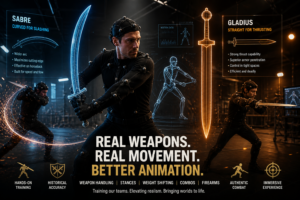
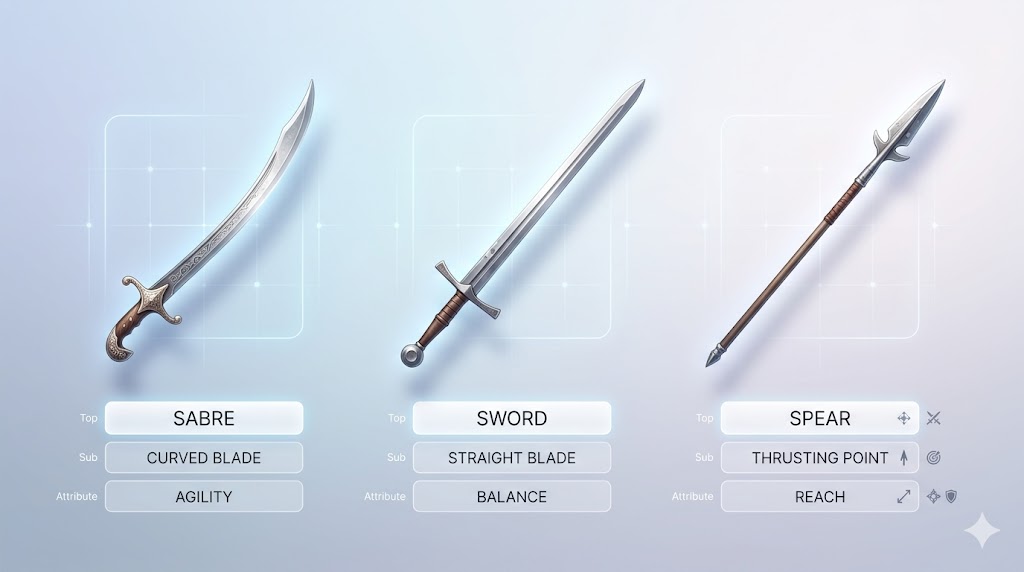
Why does a sabre curve, while a gladius stays straight? Why are some weapons perfect for slashing, and others built for thrusting? These aren’t random design choices — they’re rooted in physics, history, and human movement. And for game developers, this knowledge is a powerful tool.
🗡️ The Science Behind Weapon Design
Different weapons exist because they serve different purposes in combat:
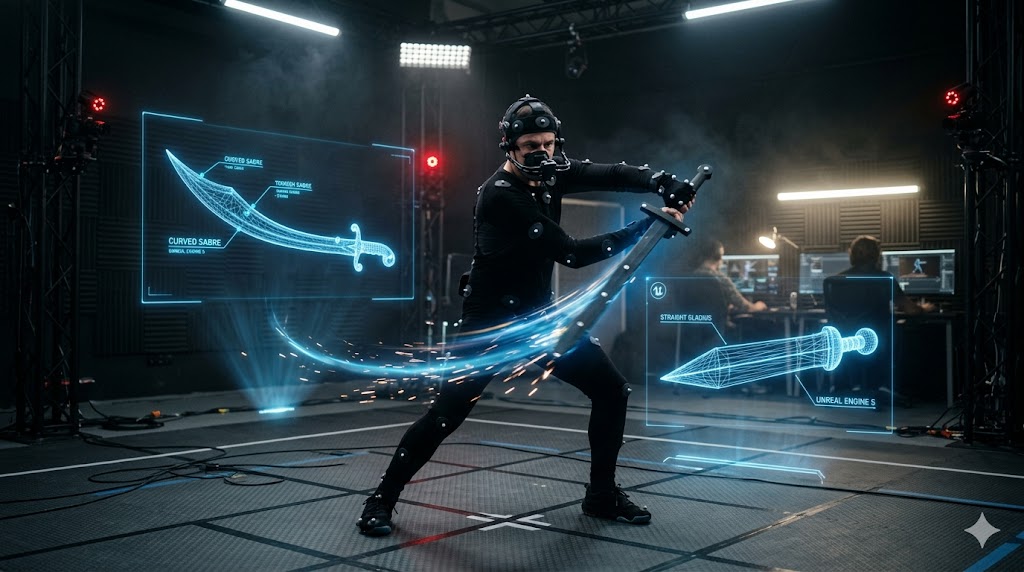
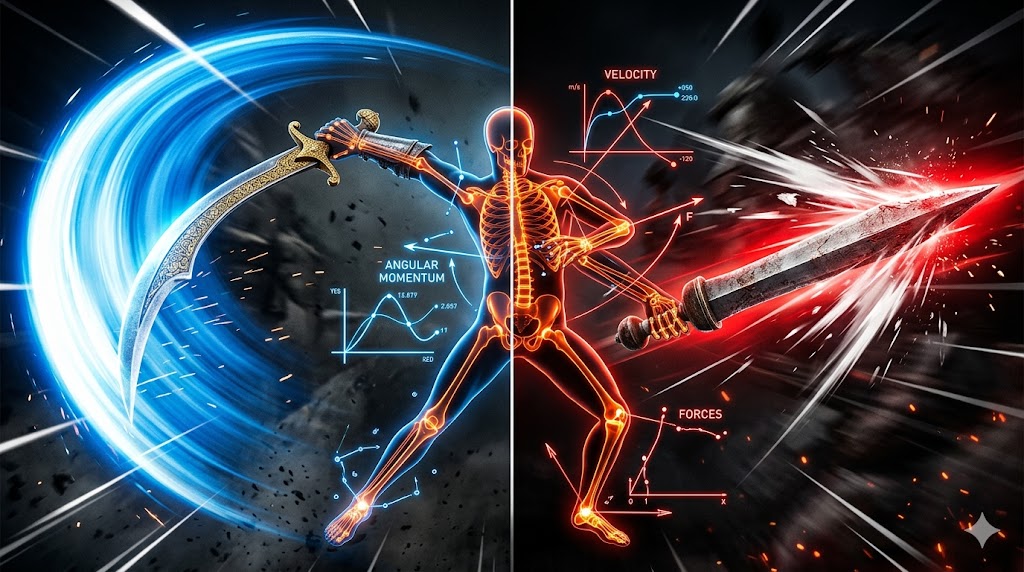
- Curved blades (like sabres): Designed for slicing and slashing. The curve allows smoother cuts, especially on horseback or during fast motion.
- Straight blades (like gladius): Ideal for thrusting. They provide precision and control in close combat situations.
- Weight & balance: A weapon’s center of gravity determines how fast and powerful it moves.
- Grip & handling: Influences control, speed, and stamina during combat.
For animators, understanding these principles transforms movement from generic swings into intentional, believable actions.
🎮 From Theory to Practice: Combat Training for Animators
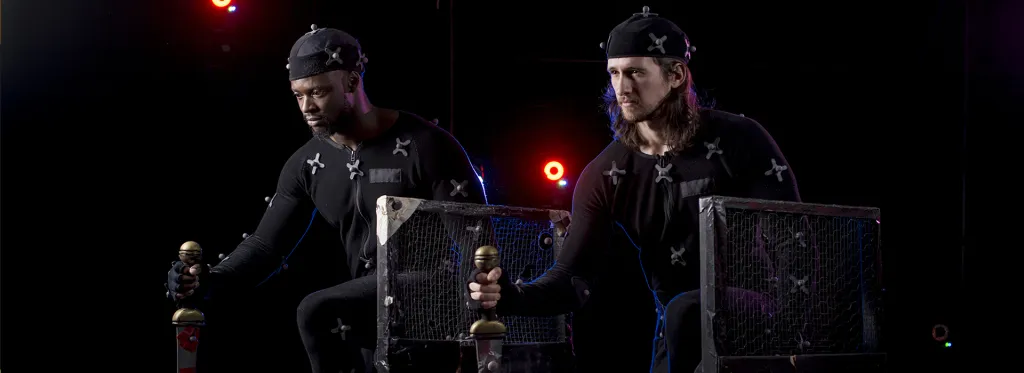
To bridge the gap between theory and realism, teams often train with professional combat experts. One such example is training with organizations like Lucky 13 Action, where animators learn hands-on weapon handling.
These sessions focus on:
- Weapon Handling: How weapons are actually held and used
- Weight Shifting: Realistic body movement and balance
- Stances: Combat-ready positioning
- Basic Combos: Flow of attacks and transitions
- Firearms Handling: Real-world shooting posture and recoil control
This kind of training gives animators a physical understanding of combat — not just visual reference.
🎭 Stage Fighting vs Real Combat
One of the biggest misconceptions in animation comes from confusing stage combat with real combat.
- Stage Combat:
- Exaggerated movements
- Clear, visible actions for the audience
- Designed to look dramatic
- Real Combat:
- Efficient and subtle
- Minimal wasted movement
- Focused on survival, not spectacle
Professional motion capture performers understand this difference. Their experience ensures animations feel grounded, not theatrical.
🧠 Why This Matters for Game Development
Games like those in the Total War series rely heavily on immersion. When combat animations feel authentic, players notice — even if they can’t explain why.
Small details make a huge difference:
- The angle of a blade during a strike
- The torque of the body powering an attack
- The subtle shift in weight before movement
These elements create combat that feels real, responsive, and satisfying.
🚀 The Result: More Immersive Gameplay
By combining:
- Animator training
- Real-world combat knowledge
- Skilled motion capture performers
Studios can create combat systems that go beyond visuals — they feel alive.
This approach is especially important in large-scale titles like Total War: WARHAMMER 40,000 and Total War: MEDIEVAL III, where realism and immersion are key to player experience.
🎯 Final Thoughts
Weapon design isn’t just history — it’s storytelling through motion.
When animators understand why a weapon behaves a certain way, they can:
- Create more believable characters
- Design better combat choreography
- Deliver deeper, more immersive gameplay
Because in the end, it’s not just about making combat look good —
it’s about making it feel real.